
Preparing & Kashering the Pesach Kitchen

Updated February 2026

Download PDF of Article Here

As the Yom Tov of Pesach nears, and the diligent balabusta begins to tackle the challenge of preparing the kitchen for Pesach, undoubtedly the light at the end of the tunnel is beginning to shine. Although moving into a separate Pesach home sounds very inviting, such luxuries are often not affordable and definitely not in the Pesach spirit. Among the basic mitzvos of the chag is the mitzvah of tashbisu se’or mibateichem, ridding one’s home and possessions of chometz. However, if we are to use kitchen equipment, utensils, or articles that can be found in our kitchen year-round, it may be insufficient to just clean them thoroughly. One is forbidden to use these items unless they have been especially prepared for Pesach. This preparation process is known as kashering.

The Torah instructs us that the proper kashering […]
The Mitzvah of Tevilas Keilim

Reviewed February 2023

Click HERE for a convenient summary of tevilas keilim guidelines and a handy chart.

In His infinite wisdom, Hashem Yisborach has spiritually elevated the mundane activity of eating and has vested it with special sanctity (kedusha). The food we eat must be kosher, the table upon which we eat our meals represents the holy altar (the mizbe’ach). Similarly, the vessels and utensils (keilim) used for preparing food and for dining must be given special holiness. When these dishes and/or utensils have been previously owned by an aino Yehudi, we have to immerse these keilim in a mikvah before their first use.

Keilim (vessels/utensils) can be categorized into three halachic groupings:

utensils requiring tevila (immersion) with a bracha

utensils requiring tevila without a bracha

utensils not requiring tevila at all

Utensils require tevila with a bracha when they have direct contact with food during preparation […]

A Crystal-Clear Halachic Approach to Glass

Published Spring 2016

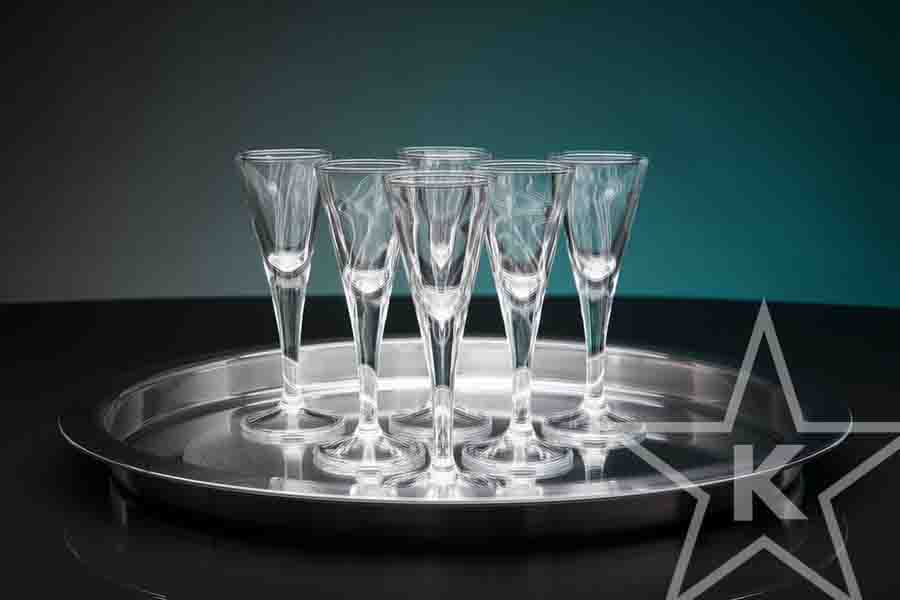
Glass is one of nature’s most versatile products created from some of nature’s most prevalent raw materials: sand, soda and lime. In the food industry, glass applications are extremely diverse. Glass can be made into delicate drinking glasses, as well as tough heat resistant ceramic cooktops tops withstanding temperatures over 1000°F.

How is glass made? Basically, the raw ingredients are heated and melted in a large furnace. The molten glass is shaped, blown, or pressed into its desired shape. The finished product is then annealed in an annealing oven and tempered to give the newly formed glass strength and durability.

Although glass can be made to be stronger and less porous than steel, the halachic status of glass remains enigmatic. On the one hand, Chazal recognized the fact that glass is tough, resistant and non-porous. On the other hand, glass raw materials are the same as earthenware which is very porous, extremely […]